THE HEALTHY LIVING JOURNAL
How to Stay Socially Connected as You Age
Build manageable opportunities for meaningful contact around your interests and circumstances.
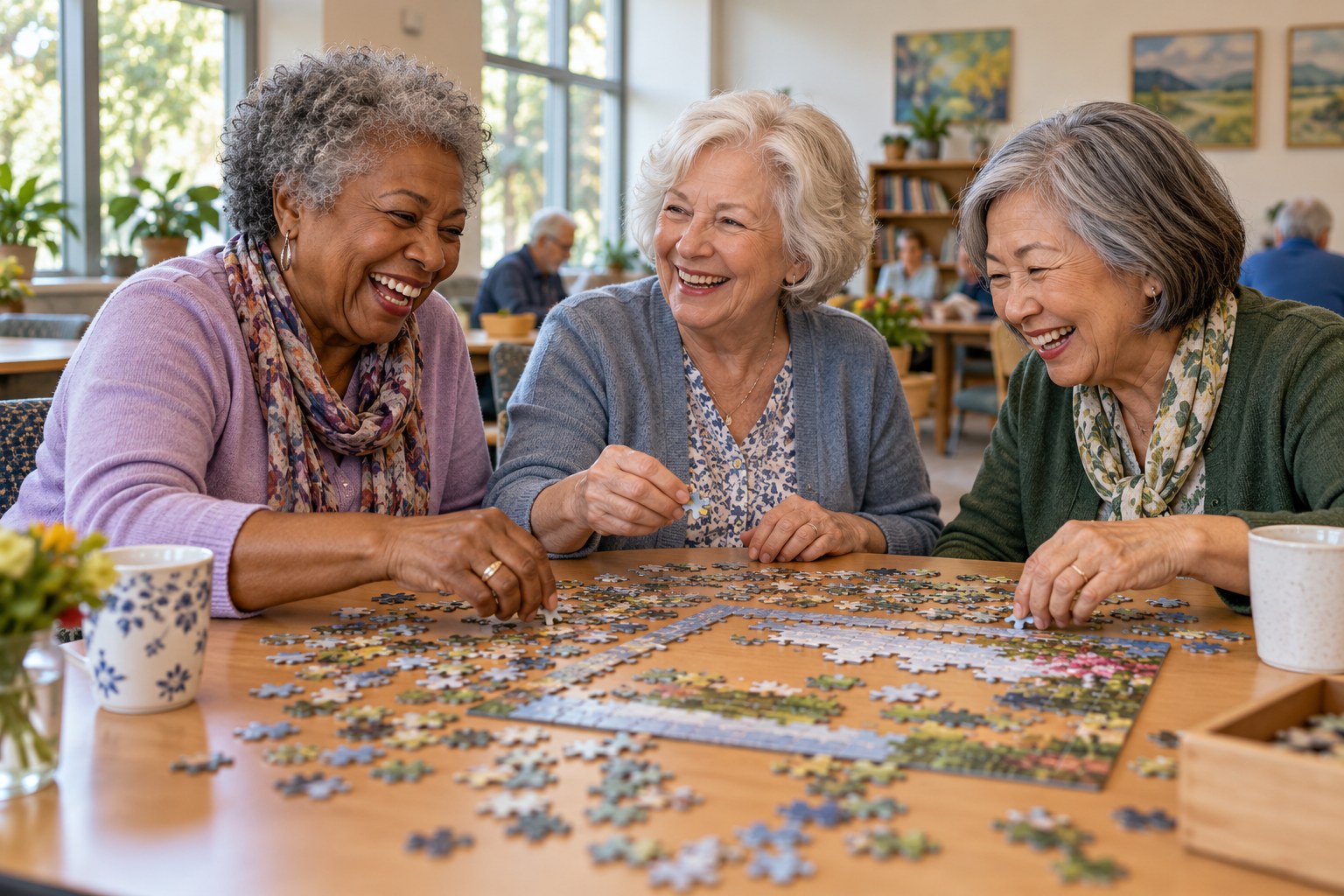
General educational information · Sources listed below
Getting started
Staying connected does not require a crowded calendar or becoming the most outgoing person in the room. It can begin with one relationship you want to maintain or one activity you would enjoy sharing. Changes in work, health, transport, and family life can alter familiar patterns of contact. A useful plan recognizes those practical changes instead of treating connection as a simple matter of trying harder. The aim is meaningful contact that fits your preferences, energy, and circumstances over time.
Distinguish being alone from feeling lonely
The National Institute on Aging distinguishes social isolation, meaning limited social contact, from loneliness, the distressing feeling of being alone or separated. You can live alone without feeling lonely, and you can feel lonely around others. [1] That difference helps when choosing what to change. Adding more appointments may not address a need for a trusted conversation. Equally, someone who enjoys solitude may still want a reliable way to ask for help or share an ordinary part of the week.
Begin with something you already value
Think of an interest that gives you a natural reason to talk: gardening, reading, music, a craft, a sport, or local history. Look for an accessible group where that interest is the focus. You do not have to arrive with a polished introduction or commit to a year of meetings. A first visit can simply help you decide whether the setting feels welcoming. NIA suggests enjoyable activities and learning opportunities as practical ways to meet others and maintain connections. [1]
Make existing friendships easier to maintain
Choose one person you would like to hear from more often and suggest a specific, modest plan. A short phone call, shared lunch, or regular message may fit better than a vague promise to get together soon. Ask what works for the other person too. A repeated contact can be easier to arrange when everyone knows the approximate time and format. This is an organizational example, not a rule about how many friends anyone needs or how often every relationship should be maintained.
Address the barrier that actually gets in the way
If transport is difficult, a nearby venue or telephone activity may be more useful than another distant invitation. If hearing makes a noisy café tiring, suggest a quieter place. Technology can help some people stay in touch, but it can also become frustrating when instructions are unclear. NIA notes that libraries and community centers may offer learning opportunities for communication technology. [1] Ask about accessibility, cost, timing, and assistance before deciding that an activity is unsuitable or that the difficulty is your fault.
Keep the health claims in proportion
NIA describes research linking loneliness and social isolation with poorer health and discusses social engagement as part of healthy aging. [1,2] Those associations do not mean that one class prevents a disease or that a person experiencing loneliness has caused their health problems. Connection is valuable without a guarantee of a particular medical outcome. Avoid programs that promise to reverse aging through social activity alone. Meaningful relationships belong alongside, rather than in place of, appropriate healthcare and other supportive daily habits.
Try a small experiment and review it
Choose one action for the next week: attend a library event, call an old friend, or ask a neighbor about a shared interest. Afterward, consider what felt enjoyable and what made participation harder. Did the time fit? Was the room accessible? Would a different format make conversation easier? Adjust the plan rather than judging yourself from one attempt. Some settings will not be a good match, and that is useful information. Repeating a suitable opportunity can matter more than collecting many new commitments.
Ask for support when the problem feels larger
Persistent loneliness, low mood, or a loss of interest in ordinary activities may deserve a conversation with a healthcare professional or another trusted support person. Practical assistance can also matter when illness, bereavement, or caring responsibilities have changed daily life. General education cannot assess an individual's mental health. A reasonable starting point is one manageable contact and one honest question about what would make it easier. You deserve a plan that respects your circumstances rather than an instruction to simply be more social.
Explore the sources
- NIA: Loneliness and Social Isolation—Tips for Staying Connected ↗
- NIA: What Do We Know About Healthy Aging? ↗
Prepared with AI assistance for True Healthy Products LLC. Sources inform this educational guide; their inclusion does not imply endorsement of our company or products. See our editorial approach.