THE HEALTHY LIVING JOURNAL
How to Keep a Packed Lunch Cold and Safe
Keep perishable food cold on the way to work and plan a lunch for days without a refrigerator.
General educational information · Sources listed below
A packed lunch can spend a surprising amount of time away from a refrigerator. There is the trip to work, the stop on the way, and the stretch between arriving and taking a break. If your lunch includes chicken, yogurt, or another perishable food, plan how to keep it cold for the whole trip before you decide what to pack.
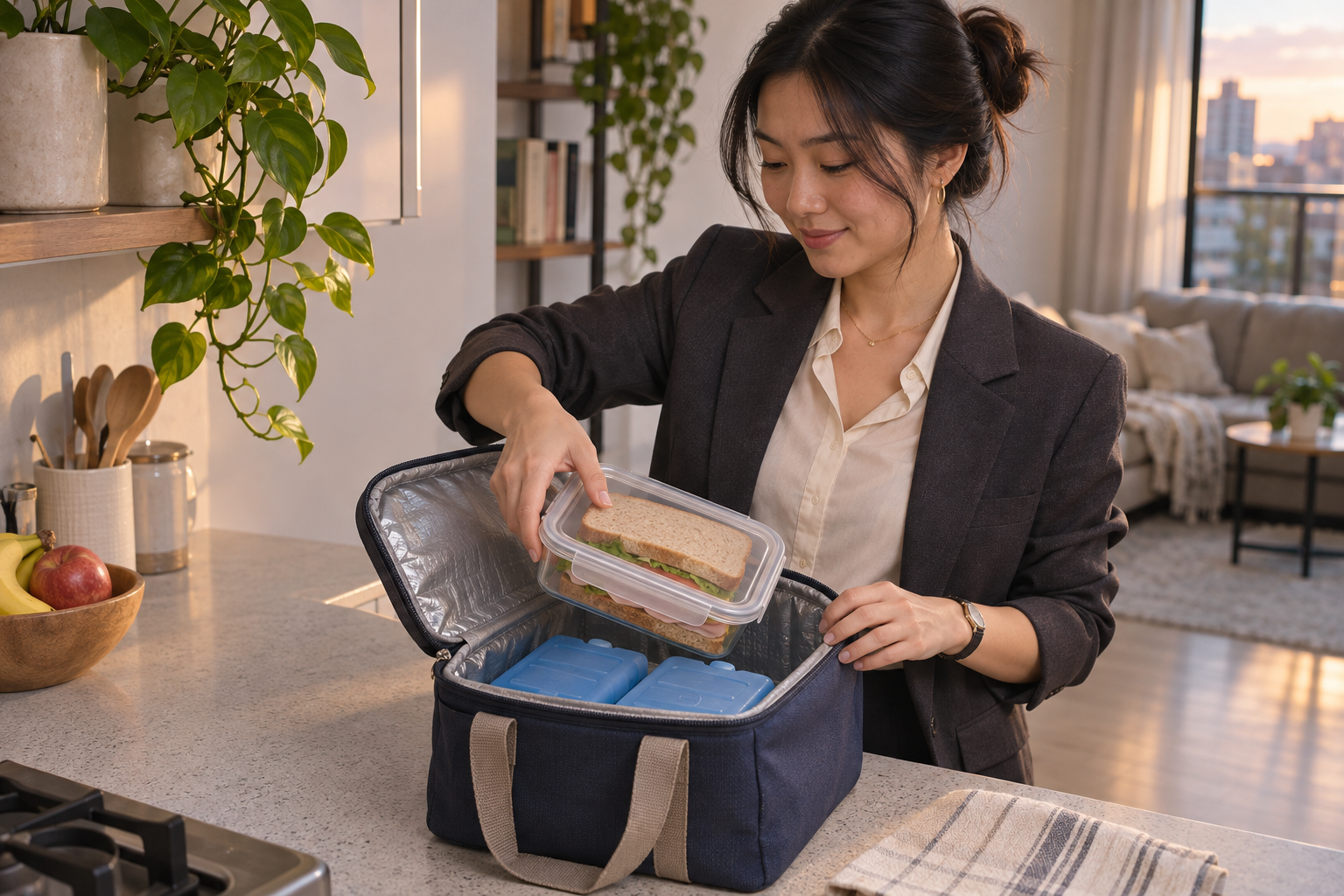
Start with an insulated bag and two frozen cold sources. Insulation slows warming, and the frozen packs do the cooling. If you have a refrigerator at your destination, use it as soon as you arrive. If you will be away from a refrigerator all day, a cooler that can maintain 40°F or below, or a lunch made from shelf-stable foods, gives you a clearer plan.
You can make this routine easier by keeping the ice packs in the freezer and putting the lunch bag next to your keys. In the morning you only have to assemble the chilled food, the packs, and anything that can travel at room temperature.
Chill the food before you pack it
Start with food that is already cold. If you prepare a sandwich the night before, refrigerate it overnight and take it out just before leaving. If you plan to take leftovers, chill them promptly after cooking. Set aside a serving in a clean, shallow container so you can grab it in the morning. A lunch bag with ice packs is intended to keep food cold during the trip.
Put one frozen pack below the perishable food and one above it. Two frozen gel packs work, or you can use a frozen bottle of water with a gel pack. A sturdy container keeps the sandwich from getting crushed as the packs shift. Put crackers and other dry foods in a separate pocket if condensation makes them soggy.
Decide where the bag will go when you arrive
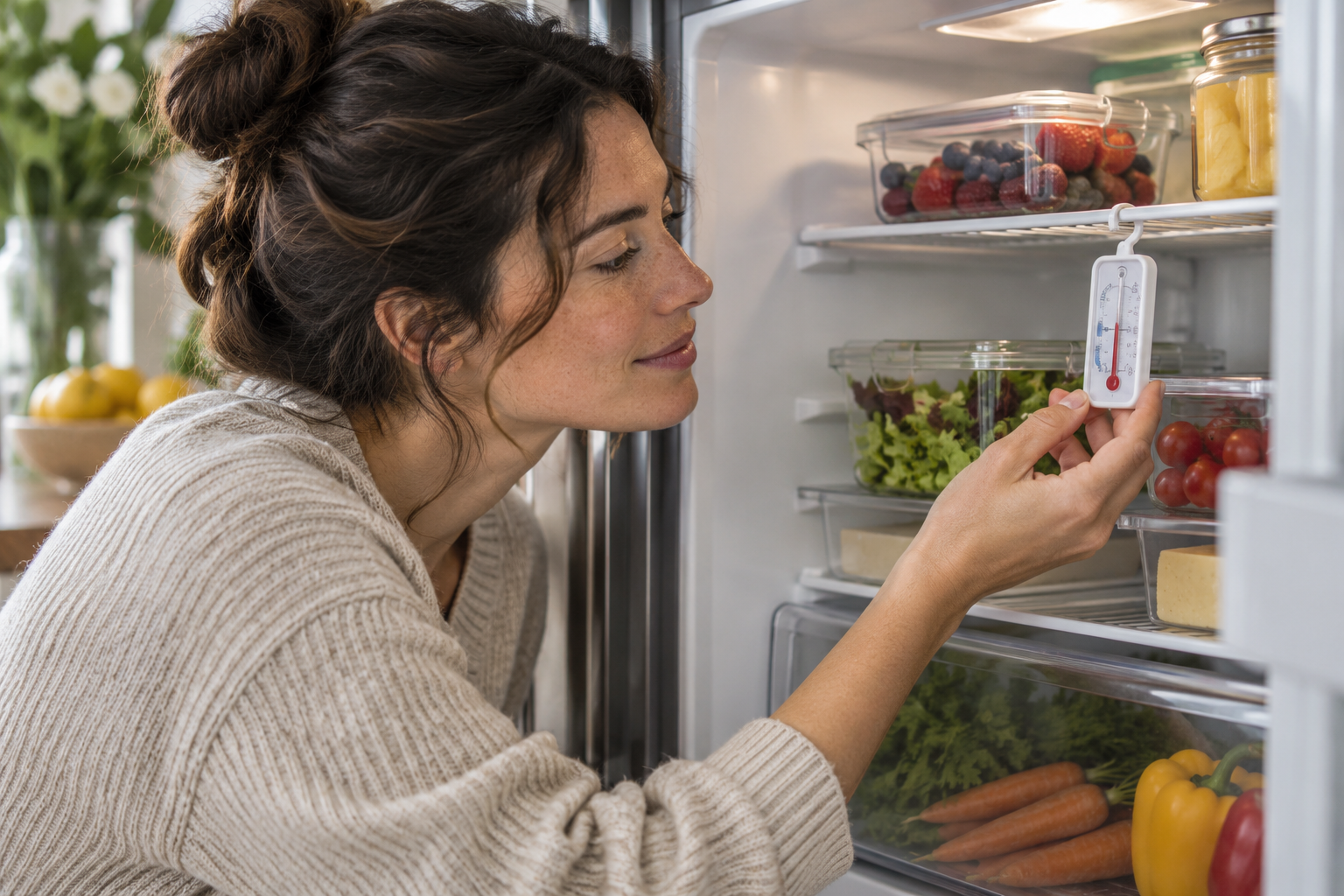
Move perishable food into a refrigerator at work when one is available. If you store the whole insulated bag in the refrigerator, open it so cold air can reach the food. Avoid leaving the bag in a parked car or by a sunny window. If you use a cooler for an outdoor workday, a cooler thermometer can tell you whether the food is staying at 40°F or below.
Take out the food you plan to eat and keep the rest cold. Perishable food should spend no more than two hours unrefrigerated, or one hour when the air temperature is above 90°F. Count the time spent out of refrigeration during preparation and after serving. If a perishable lunch sat warm beyond those limits, discard it. Appearance and smell cannot reliably tell you whether it is safe.
Build a lunch that can travel without ice
On days when you cannot keep food cold, try packing whole fruit, crackers, nuts or seeds, and a sealed single-serving pouch labeled shelf-stable. Peanut butter on bread is another option if it suits your needs and the rules at your destination. Read the storage instructions on packaged items. A pouch that can sit unopened in the pantry may still need refrigeration after opening, so choose a portion you can finish.
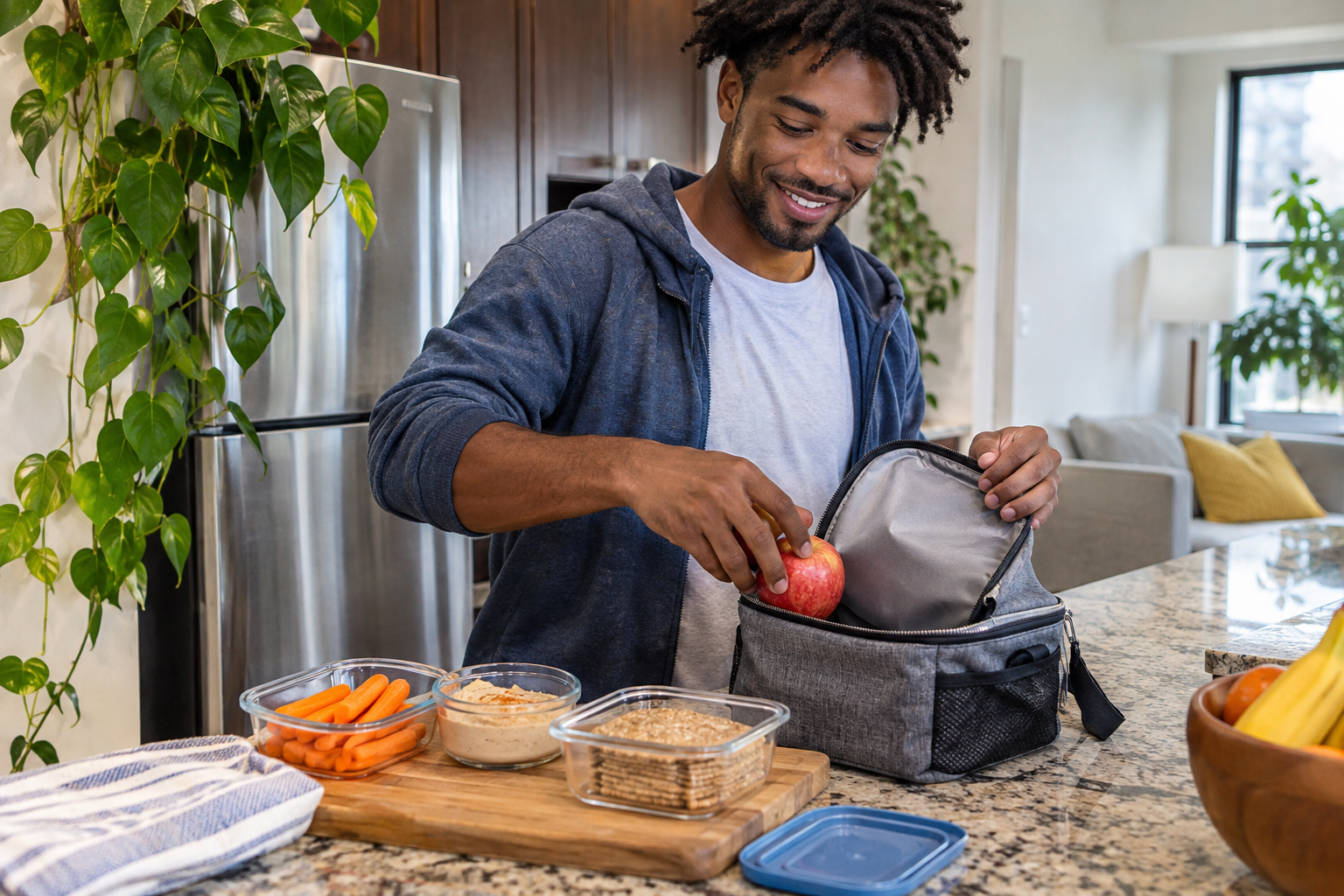
The details matter for foods that look similar. A whole apple can go in the bag on its own. Cut melon needs to stay cold. A sealed shelf-stable tuna pouch can travel unopened, while a tuna salad sandwich needs cold packs. If you like to assemble lunch on the spot, carry the shelf-stable ingredients separately and open them when you are ready to eat.
Reset the bag when you get home
Take out the containers and return the ice packs to the freezer. Wipe up spills and clean reusable containers before packing again. If there is food left from lunch, keep it only if you know it stayed safely cold. For tomorrow, choose one of two plans before you head out: pack food you can keep cold, or choose food that can travel at room temperature until you open it.
Explore the sources
Prepared with AI assistance for True Healthy Products LLC. Sources inform this educational guide; their inclusion does not imply endorsement of our company or products. See our editorial approach.